SEO Best Practices: How to Rank #1 on Google in 2026

Mastering SEO best practices is essential for online visibility and organic growth. This comprehensive guide reveals proven strategies to rank #1 on Google and dominate search results.
Case Study: Mimi Cafe
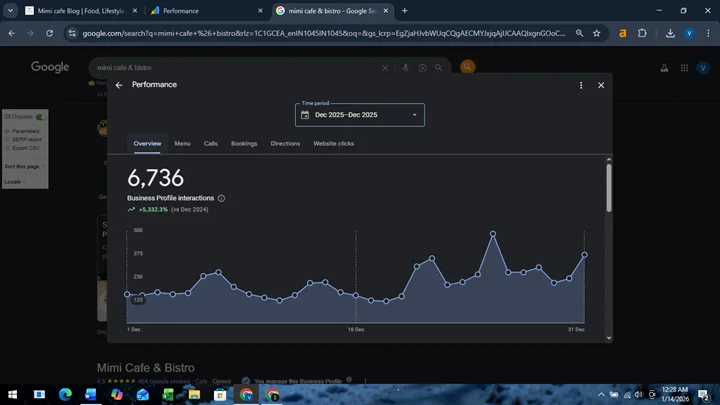
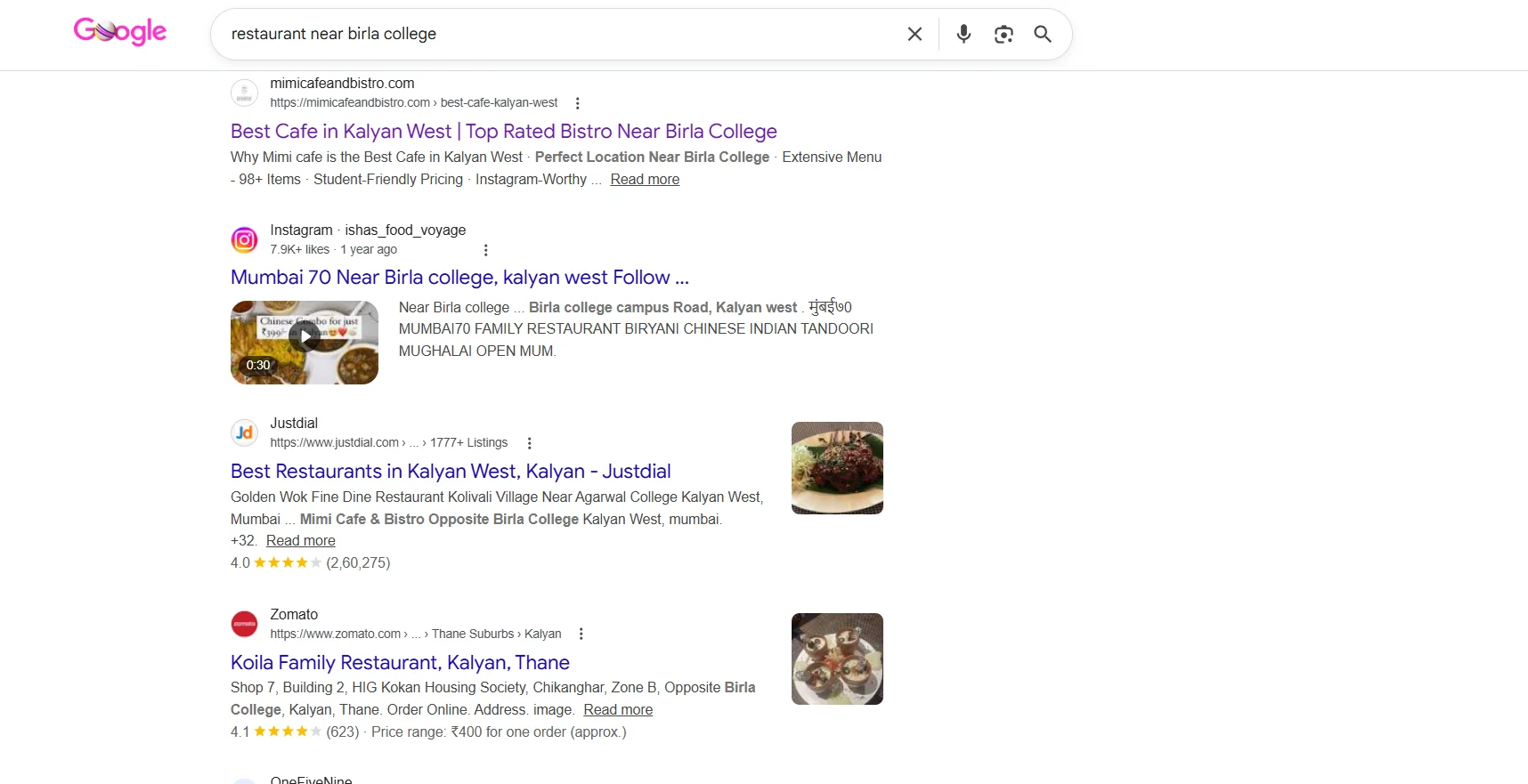
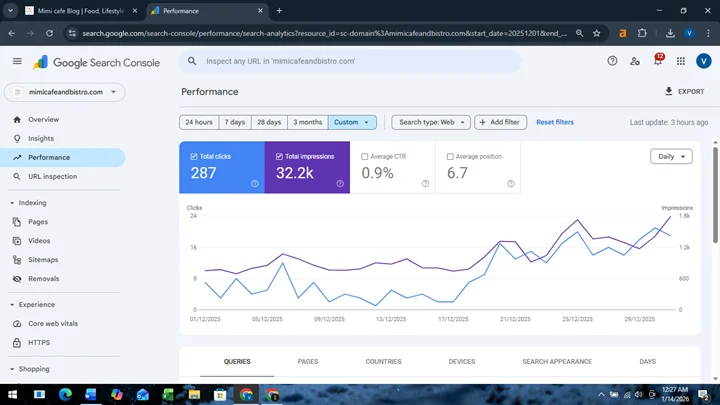
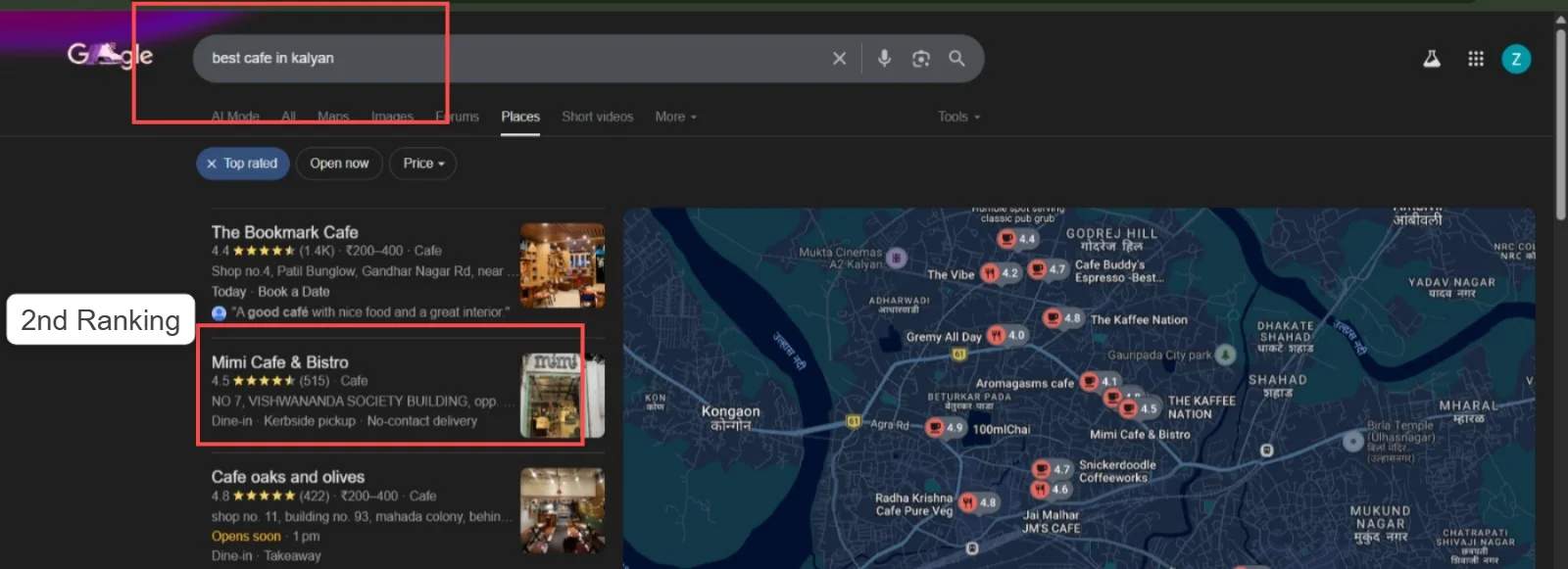
"We Rank, We Work."
Our SEO strategies don't just promise visibility; they deliver dominance. Just like we secured top rankings for Mimi Cafe, we maximize your digital presence through data-driven optimization and precision targeting.
Why SEO Matters in 2026
Search engine optimization remains the most cost-effective marketing channel. With Google processing over 8.5 billion searches daily, ranking high means unlimited free, targeted traffic to your website.
The Google Ranking Algorithm
Google uses over 200 ranking factors. While the exact formula is secret, we know the most critical elements: content quality, backlinks, user experience, page speed, mobile-friendliness, and E-E-A-T (Experience, Expertise, Authoritativeness, Trustworthiness).
Top SEO Best Practices for 2026
1. Create High-Quality, User-First Content
Google's algorithm prioritizes content that genuinely helps users. Follow these SEO best practices for content:
- Write for humans first, search engines second
- Provide comprehensive, in-depth information
- Use clear headings and structure
- Include relevant keywords naturally
- Update content regularly to keep it fresh
- Answer user questions thoroughly
2. Master Technical SEO
Technical SEO optimization ensures search engines can crawl, understand, and index your website efficiently:
- Optimize page speed (aim for under 3 seconds)
- Implement mobile-first design
- Create an XML sitemap
- Use HTTPS encryption
- Fix broken links and 404 errors
- Implement structured data (schema markup)
- Optimize robots.txt file
3. Build Quality Backlinks
Backlinks remain a top ranking factor. Focus on quality over quantity:
- Create link-worthy content
- Guest post on authoritative sites
- Build relationships with industry influencers
- Leverage broken link building
- Create shareable infographics and resources
4. Optimize for User Experience (UX)
Google tracks user behavior signals. Improve UX to boost rankings:
- Reduce bounce rate with engaging content
- Improve site navigation
- Use clear CTAs
- Optimize for Core Web Vitals
- Make content easy to scan
Keyword Research Strategies
Effective keyword research is foundational to SEO success. Use tools like Google Keyword Planner, Ahrefs, or SEMrush to:
- Find high-volume, low-competition keywords
- Target long-tail keywords
- Analyze competitor keywords
- Understand search intent
- Identify trending topics
On-Page SEO Checklist
- Include target keyword in title tag (front-loaded)
- Write compelling meta descriptions
- Use header tags (H1, H2, H3) properly
- Optimize images with alt text
- Use internal linking strategically
- Create SEO-friendly URLs
- Add schema markup
Local SEO Best Practices
For businesses serving specific geographic areas:
- Claim and optimize Google Business Profile
- Build local citations
- Encourage customer reviews
- Create location-specific content
- Ensure NAP consistency (Name, Address, Phone)
Measuring SEO Success
Track these key metrics to measure your SEO optimization efforts:
- Organic traffic growth
- Keyword rankings
- Click-through rate (CTR)
- Bounce rate
- Time on page
- Conversion rate from organic traffic
- Domain authority
Common SEO Mistakes to Avoid
- Keyword stuffing
- Buying backlinks
- Duplicate content
- Ignoring mobile optimization
- Slow page speed
- Thin or low-quality content
- Not updating old content
Partner with Zhoop for SEO Success
At Zhoop, we implement these SEO best practices to help clients achieve and maintain #1 rankings. Our data-driven approach combines technical expertise with creative content strategies for sustainable organic growth.